In my opinion, Harley Quinn is one of the best modern examples where we can see the same character portrayed differently to cater to the male and female gaze.
What makes Harley Quinn especially unique for this is the fact that we see the same character (portrayed by the same actress-the incredibly talented Margot Robbie) presented in these two different ways within just 4 years. To clear up any possible confusion, the ‘male gaze’ refers to when a female character’s looks and personality are tailored especially to suit a heterosexual male audience and their need to sexualise and objectify female characters. The female gaze, however, refers to a more feminist character design of female characters. These characters will often be quite the opposite of characters designed to suit the male gaze, which is why Margot Robbie’s Harley Quinn is an incredible example of the transformation between these two approaches to a female characters. Other notable female-gaze fitting characters include the Amazons in Wonder Woman, Jo March in Little Women (2019) and Molly and Amy in Booksmart (2019).
In Suicide Squad (2016), Harley Quinn is seen to be a submissive, seemingly dumb character who will do anything the Joker asks of her. She wears incredibly skimpy clothes, and whilst this isn’t a problem, because people can wear whatever they feel comfortable in, would anyone really wear such tiny restrictive shorts into a dangerous situation like she is facing with Task Force X? Quinn is heavily sexualised throughout the movie, and it seems clear that she was specifically designed for straight men to enjoy. And there we have it folks-the male gaze!
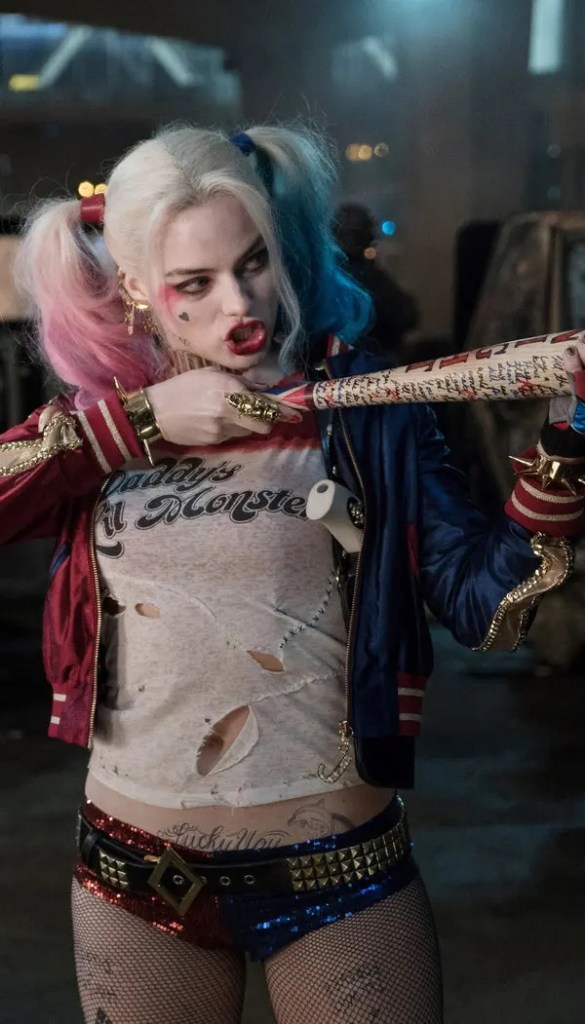
Now don’t get me wrong, I thoroughly enjoyed Suicide Squad. Yet the unnecessary sexualisation of such a powerful supervillain who had potential to be powerful, relentless and destructive in this film will never stop bothering me. Which is, obviously, one of the reasons I adored Birds Of Prey so much. We get to see Harley move on from her break up with Joker and-in an emotional state that so many of us have been through-cut off her pigtails to create a much more jagged look. This move in itself holds so much meaning, as I feel that Harley’s long pigtails were used as a method of infantilising and sexualising her character in Suicide Squad. Her hair was flowing and soft-now, in Birds of Prey, it is sharp, in turn demonstrating her new found personality after her breakup with Joker.
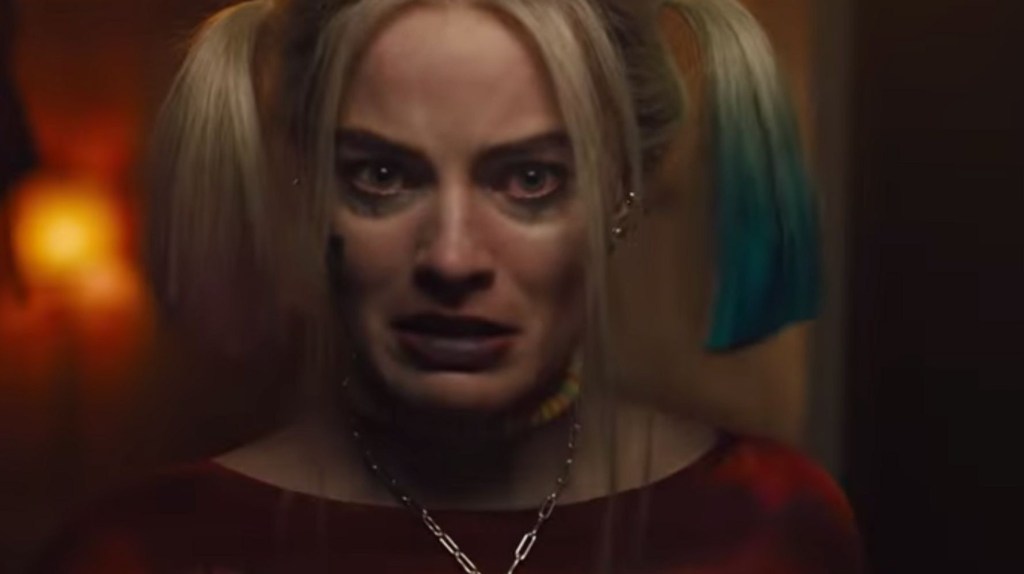
Harley takes control over herself in this film, and it’s beautiful to watch. Birds of Prey is a tale of strong women and friendship, and we also get LGBT+ representation (both Harley and Renee are confirmed to have dated women). It was such a breath of fresh air that absolutely switched Harley from a character catered to heterosexual males to a character catered and designed to fit the female gaze. This probably has something to do with the fact that Suicide Squad (2016) was directed by a man-David Ayer- and Birds of Prey (2020) was directed by a woman-Cathy Yan.
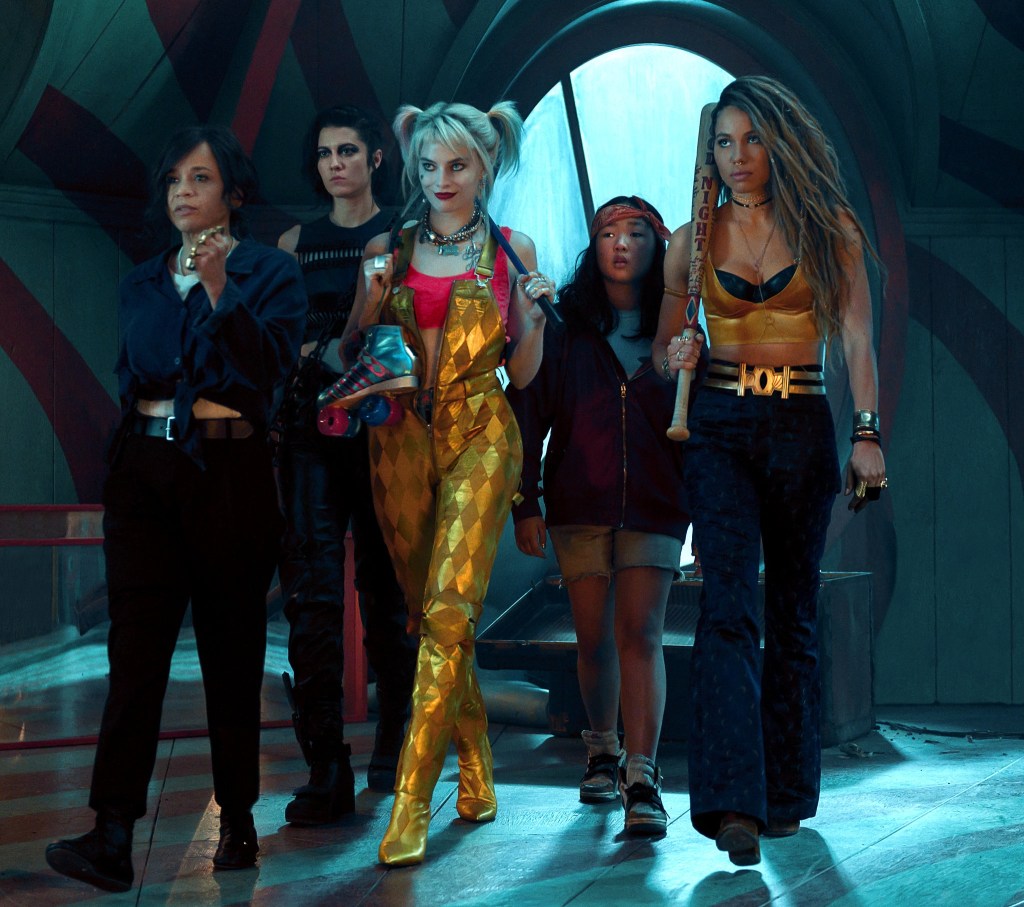
Let’s talk about Harley surrounding herself with women in Birds of Prey. Whether the character did so intentionally or not is irrelevant: the audience can see that being around other women brought out the best in Harley. She is clearly much more comfortable in the end than she was throughout the whole Suicide Squad movie. In Suicide Squad, she just tended to obliviously float around in her own little bubble, flirting with most male characters. Whereas in Birds of Prey, we really begin to see the real-or at least more developed-Harley Quinn. There is little, probably no, obscene sexualisation of a woman just trying to be a villain, we just get to see her living through a dilemma with the help of her new friends.
This is why Birds of Prey (full title, Birds of Prey: And the Fantabulous Emancipation of One Harley Quinn) having worse reviews than Suicide Squad baffles me. Birds of Prey has an almost perfect story line, with amazing casting. So the only reason for the bad reviews from men is simply insecurity. They don’t like seeing absolutely no good male characters in a movie. They cannot deal with the main characters all being women (apart from Ewan McGregor’s Roman Sionis-a genuine awful person), which means they leave bad reviews. And unfortunately for us, half of the world’s population are men, so if they don’t like something, they make themselves heard, in this case through leaving bad reviews until they have an irreversibly negative effect on the ratings. Suicide Squad has male leads that they can (worryingly) probably relate to, and it also has an over sexualised Harley Quinn tailored just for them. What more could they want?
Harley Quinn’s switch from male to female gaze stood out to me over any I may have seen before, and I’m so excited to see where her character goes in The Suicide Squad, released 6th August 2021. Personally, I am quite confident that her character will not revert back to anything like she was in Suicide Squad (2016), but the loss of a female-directed Harley Quinn leaves some slight worry in me. From the footage released so far though, it appears that female-gaze centered Harley will remain! Her visuals look stunning so far, and director James Gunn even stated that he wrote his ‘biggest action scene ever’ for Harley Quinn in the Suicide Squad, and that it’s ‘probably [his] favourite four minutes of film [he’s] ever shot before’. It certainly sounds promising!
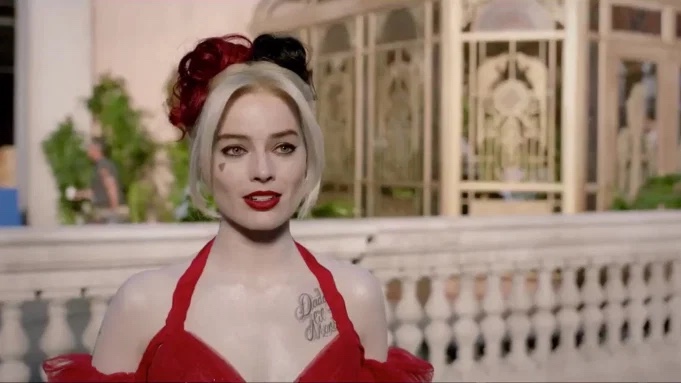
So here’s to Harley Quinn and her amazing transformation! Let’s hope we just continue to see her flourish more and more with every film she is a part of. Personally, I’m hoping for characterisation that is very similar to her in the Harley Quinn animated series. Getting to see her and Poison Ivy fall in love on the big screen would be pretty incredible too!
 Let’s talk about films